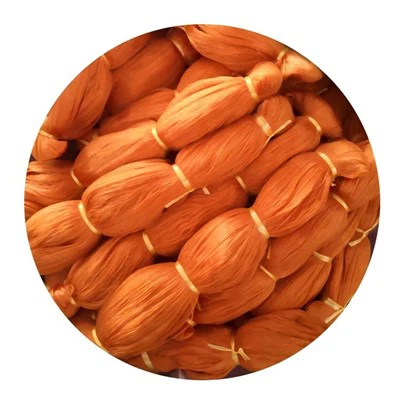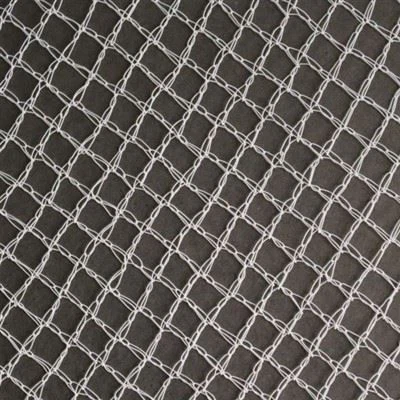

When it comes to the world of net - making, the properties of the twine used are of utmost importance. One such crucial property is electrical conductivity. In this blog, as a twine for net supplier, I'll delve into the electrical conductivity of twine for net, its significance, and how it relates to different types of nets and their applications.
Understanding Electrical Conductivity
Electrical conductivity is a measure of a material's ability to conduct an electric current. It is the reciprocal of electrical resistivity. Materials with high electrical conductivity, such as metals like copper and aluminum, allow electrons to flow freely through them. On the other hand, materials with low conductivity, known as insulators, impede the flow of electrons. For twine used in nets, the electrical conductivity can have a significant impact on its performance and safety in various environments.
Types of Twine and Their Conductivity
Natural Fiber Twine
Natural fiber twines, such as those made from cotton, hemp, or jute, are generally poor conductors of electricity. These materials have a high resistance to the flow of electrons due to their molecular structure. The long - chain polymers in natural fibers do not have free electrons that can move easily, which makes them good insulators. For example, cotton twine is commonly used in fishing nets for small - scale and recreational fishing. Its low electrical conductivity means that it is safe to handle even in wet conditions, reducing the risk of electrical shock.
Synthetic Fiber Twine
Synthetic fiber twines, like nylon twine, are widely used in net - making due to their strength, durability, and resistance to environmental factors. Nylon, in particular, is a polymer with a relatively low electrical conductivity. The molecular structure of nylon consists of long chains of repeating units that do not have a large number of free electrons. This makes nylon twine a suitable choice for nets in many applications, including fishing and industrial uses.
However, the conductivity of synthetic twines can be affected by factors such as moisture. When synthetic twines get wet, the water molecules can act as a medium for the flow of ions, which can increase the electrical conductivity to some extent. In marine environments, where nets are constantly exposed to saltwater, the presence of dissolved salts can further enhance the conductivity of the twine.
Significance of Electrical Conductivity in Net Applications
Fishing Nets
In the fishing industry, the electrical conductivity of twine is an important consideration for both safety and performance. Nylon Monofilament Fishing Net is a popular choice because of its low conductivity. Fishermen often work in wet conditions, and using a low - conductivity twine reduces the risk of electrical shock from any nearby electrical equipment, such as boat engines or fishing gear.
Moreover, the electrical conductivity can also affect the behavior of the net in the water. Some fish are sensitive to electrical fields. A net with a very low conductivity is less likely to create an electrical disturbance in the water that could scare away the fish. This is especially important in commercial fishing, where maximizing the catch is crucial.
Industrial Nets
In industrial applications, such as construction and mining, nets are used for various purposes, including safety barriers and material handling. The electrical conductivity of the twine used in these nets can impact safety. For example, in an environment where there is a risk of electrical arcing or static electricity buildup, using a low - conductivity twine can prevent electrical hazards. Additionally, in some industrial processes, nets may be exposed to chemicals or solvents. The electrical conductivity of the twine can affect its compatibility with these substances.
Factors Affecting the Electrical Conductivity of Twine
Material Composition
As mentioned earlier, the type of material used to make the twine is the primary factor affecting its electrical conductivity. Natural fibers and most synthetic fibers are insulators, but the degree of insulation can vary depending on the specific polymer structure. For example, polypropylene twine has a different molecular structure compared to nylon twine, which results in slightly different electrical conductivity properties.
Moisture Content
Moisture can significantly increase the electrical conductivity of twine. Water is a polar molecule that can dissolve salts and other ions, creating a conductive medium. In wet conditions, the water absorbed by the twine can allow the flow of ions, reducing the resistance and increasing the conductivity. This is why it is important to dry and store twine properly to maintain its low - conductivity properties.
Temperature
Temperature can also have an impact on the electrical conductivity of twine. In general, as the temperature increases, the conductivity of most materials also increases. This is because higher temperatures provide more energy to the electrons, allowing them to move more freely. However, for twine materials, the effect of temperature on conductivity is usually less significant compared to moisture.
Testing the Electrical Conductivity of Twine
To ensure the quality and safety of the twine for net applications, it is important to test its electrical conductivity. There are several methods available for testing conductivity. One common method is the four - point probe technique, which involves passing a known current through the twine and measuring the voltage drop across it. From the measured voltage and current, the resistance can be calculated, and then the conductivity can be determined.
Another method is the two - point probe technique, which is simpler but less accurate. In this method, two probes are placed on the twine, and the resistance is measured directly. However, this method can be affected by the contact resistance between the probes and the twine.
Comparing Different Twine Conductivities for Net Selection
When selecting twine for a specific net application, it is essential to compare the electrical conductivities of different types of twine. For applications where safety is a major concern, such as in fishing nets used in areas with electrical equipment or in industrial safety nets, twine with low conductivity is preferred.
On the other hand, in some specialized applications, such as in electromagnetic shielding nets, twine with higher conductivity may be required. These nets are designed to block or reduce the penetration of electromagnetic fields. In such cases, twine made from conductive materials or treated with conductive coatings may be used.
Future Trends in Twine Electrical Conductivity Research
As technology advances, there is a growing interest in developing twine with tailored electrical conductivity properties. Researchers are exploring ways to modify the molecular structure of synthetic fibers to enhance or reduce their conductivity as needed. For example, by incorporating conductive nanoparticles into the polymer matrix of the twine, it may be possible to create twine with controlled conductivity.
In addition, there is a need for more research on the long - term effects of environmental factors, such as moisture and temperature, on the electrical conductivity of twine. This will help in developing better storage and maintenance practices for nets to ensure their performance and safety over time.
Conclusion
The electrical conductivity of twine for net is a complex but important property that can significantly impact the performance and safety of nets in various applications. As a twine for net supplier, we understand the importance of providing high - quality twine with the appropriate electrical conductivity for different customer needs. Whether you are in the fishing industry, industrial sector, or any other field that uses nets, choosing the right twine is crucial.


If you are interested in learning more about our twine products or have specific requirements for net - making, we encourage you to contact us for a detailed discussion. Our team of experts is ready to assist you in selecting the most suitable twine for your application. We look forward to the opportunity to work with you and help you achieve your net - making goals.
References
- "Electrical Properties of Polymers" by John M. Warman
- "Fishing Gear Technology" by David W. Greenstreet
- "Industrial Netting Handbook" by the Industrial Netting Association