
Hey there, fellow fishing enthusiasts! As a supplier of fyke nets, I often get asked this question: "Do fyke nets catch other marine animals besides fish?" Well, let's dive right into it and explore this topic in detail.
First off, let me give you a quick rundown on what fyke nets are. Fyke nets are a type of fishing net that are commonly used in both freshwater and saltwater environments. They're basically a series of connected nets that form a funnel-like structure, leading fish into a large holding area. They're super effective for catching fish, but the question remains - do they catch other marine critters too?
The short answer is yes, fyke nets can catch other marine animals besides fish. When you set up a fyke net in the water, it's like setting up a big trap. And just like any trap, it doesn't discriminate based on what kind of animal swims into it.
One of the most common non - fish animals that fyke nets can catch are crustaceans. Crabs and lobsters, for example, are pretty curious creatures. They'll often wander into the fyke net while exploring their surroundings. These crustaceans are attracted to the bait that's usually placed inside the net, and once they're in, it can be difficult for them to find their way out.
Another group of animals that can get caught are mollusks. Snails and clams might not seem like they'd be affected by a fyke net, but they can end up getting trapped in the mesh. Sometimes, they'll attach themselves to the net while it's sitting on the seabed or riverbed. And when you pull the net up, they come along for the ride.
Amphibians are also at risk. Frogs and salamanders that live near the water's edge might accidentally swim into the fyke net. This is especially true in freshwater environments where these amphibians are more likely to be found.
Now, let's talk about some of the more unexpected catches. Birds can sometimes get caught in fyke nets, especially water birds like ducks and herons. These birds might land on the net while looking for food or resting, and then get their feet or wings tangled in the mesh.
Seals and sea lions are also potential victims. In coastal areas, these marine mammals are known to be curious about fishing gear. They might try to investigate the fyke net, and if they're not careful, they can get trapped. This is a serious issue because these animals are often protected by law, and catching them can have legal consequences.
As a fyke net supplier, I understand that this is a concern for many fishermen. That's why we offer different types of fyke nets that are designed to minimize the catch of non - target species. For example, we have the Double Fyke Nets for Eels and Fish. These nets are specifically designed to target eels and fish, but they also have features that make it easier for non - target animals to escape.
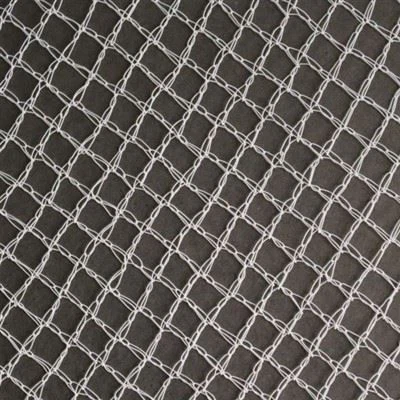
We also offer Nylon Monofilament Fishing Net. This type of net has a smooth surface, which reduces the chances of animals getting entangled. And our Knotless Fishing Net is another great option. The lack of knots means that there are fewer places for animals to get caught.
It's important to note that while these nets can help reduce the catch of non - target species, it's still up to the fishermen to use them responsibly. This means checking the nets regularly, releasing any non - target animals as quickly and safely as possible, and following all local fishing regulations.
Now, you might be wondering how this affects the fishing industry. Well, the catch of non - target species, also known as bycatch, can have a significant impact. For one thing, it can lead to the depletion of certain species. If too many non - target animals are caught and killed, it can disrupt the ecosystem. This can have a ripple effect on the entire food chain, ultimately affecting the fish populations that fishermen are trying to catch.
Bycatch can also be a financial burden for fishermen. They have to spend time and resources sorting through the catch, separating the target species from the non - target ones. And if they accidentally catch protected species, they could face fines and other penalties.
So, what can we do to address this issue? As a supplier, we're constantly working on improving our products. We're researching new materials and designs that can further reduce bycatch. We're also educating fishermen about the importance of responsible fishing practices.
If you're a fisherman looking for high - quality fyke nets that are designed to minimize bycatch, we're here to help. Our team of experts can answer any questions you might have and help you choose the right net for your needs. Whether you're fishing in a small pond or in the open ocean, we have a solution for you.
We believe that by working together, we can ensure that the fishing industry is sustainable and environmentally friendly. So, if you're interested in purchasing our fyke nets or have any questions about our products, don't hesitate to reach out. We're always happy to have a chat and discuss your fishing requirements.


In conclusion, while fyke nets are effective for catching fish, they can also catch other marine animals. But with the right nets and responsible fishing practices, we can minimize the impact on non - target species. So, let's work together to make fishing a more sustainable and enjoyable activity for everyone.
References
- Fisheries and Oceans Canada. (2020). Bycatch Reduction in Fisheries.
- National Oceanic and Atmospheric Administration. (2019). Understanding Bycatch in U.S. Fisheries.