
Hey there, fellow fishing enthusiasts! I'm a supplier of Fyke Nets, and I know how tricky it can be to deal with strong currents when using these nets. In this blog, I'll share some tips on how to adjust your Fyke Net for a strong current so you can make the most of your fishing trips.
First off, let's understand what a Fyke Net is. It's a type of fishing net that's commonly used in shallow waters. It has a series of hoops or frames that give it its shape, and it's designed to funnel fish into a large bag or cod end. But when there's a strong current, things can get a bit complicated.
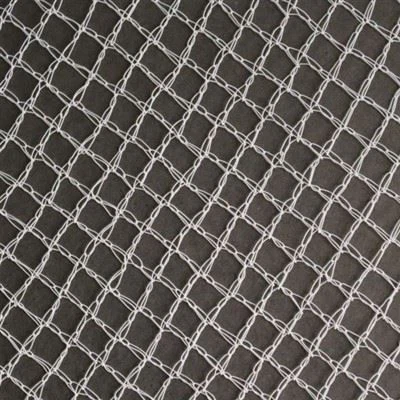
One of the first things you need to do is choose the right type of net. We offer a variety of nets, like the Polyester Fishing Net. Polyester nets are great because they're strong and durable, which is essential when dealing with strong currents. They can withstand the force of the water without getting easily damaged.
Another option is the Knotted Fishing Net. These nets have a traditional knotted design that gives them extra strength. The knots help to hold the net together, even when it's being pushed around by the current. And if you're looking for something with a bit more flexibility, the Nylon Monofilament Fishing Net might be a good choice. It's lightweight and has good visibility in the water, which can be an advantage in some situations.
Now, let's talk about how to set up your Fyke Net in a strong current. The key is to anchor it properly. You need to use heavy-duty anchors that can hold the net in place. I recommend using at least two anchors, one at the front and one at the back of the net. This will help to keep the net stable and prevent it from being swept away.
When you're placing the net, make sure it's facing the right way. You want the opening of the net to be facing upstream, so the current will carry the fish into the net. It's also a good idea to adjust the height of the net. In a strong current, you might need to lower the net a bit so it's closer to the bottom. This will help to prevent the fish from swimming over the top of the net.
Another important thing to consider is the shape of the net. In a strong current, the net can get distorted, which can reduce its effectiveness. To prevent this, you can use additional weights or floats to keep the net in the right shape. You can attach weights to the bottom of the net to keep it down, and floats to the top to keep it from sinking too much.
It's also a good idea to check your net regularly. The current can cause the net to shift or get tangled, so you need to make sure it's still in the right position. If you notice any damage or wear and tear, you should repair or replace the net as soon as possible.


Now, let's talk about bait. In a strong current, you need to use bait that's heavy enough to stay in place. You can use things like cut bait or live bait that's attached to a weight. This will help to keep the bait in the net and attract the fish.
Finally, I want to mention that adjusting your Fyke Net for a strong current takes some practice. You might not get it right the first time, but don't worry. Just keep trying different things and see what works best for you. And if you have any questions or need more advice, don't hesitate to reach out to me.
As a Fyke Net supplier, I'm here to help you get the most out of your fishing experience. Whether you're a professional fisherman or just someone who likes to fish for fun, I can provide you with the high-quality nets you need. If you're interested in purchasing our nets or have any questions about our products, feel free to get in touch. We can have a chat about your specific needs and find the perfect net for you.
In conclusion, dealing with a strong current when using a Fyke Net can be a challenge, but with the right adjustments and techniques, you can still have a successful fishing trip. Choose the right net, anchor it properly, adjust the shape and height, use the right bait, and check your net regularly. And remember, if you need any help or want to discuss your options, I'm just a message away.
References
- Fishing Techniques Handbook
- Guide to Fishing Nets and Their Use