
Determining the appropriate mesh size for a specific fish species is a crucial aspect of fishing, especially when you're in the business of supplying gill nets like I am. As a gill net supplier, I've seen firsthand how the right mesh size can make or break a fishing operation. In this blog, I'll share some insights on how to figure out the perfect mesh size for different fish species.
First off, let's understand what a gill net is. A gill net is a wall of netting that hangs in the water column. Fish swim into it, and their gills get caught in the mesh. The key here is to use a mesh size that will catch the target fish species effectively while minimizing bycatch.
One of the most important factors to consider when determining mesh size is the size and body shape of the fish. Different fish species have different body dimensions, and you need to choose a mesh size that will allow the fish to get their gills caught without letting them pass through or getting tangled too easily.
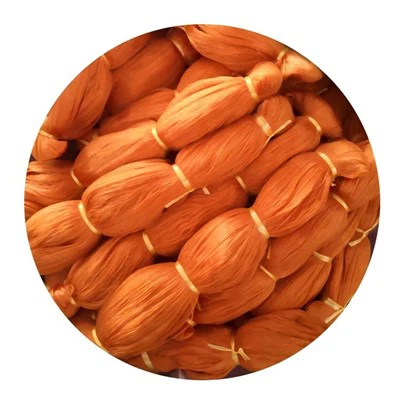
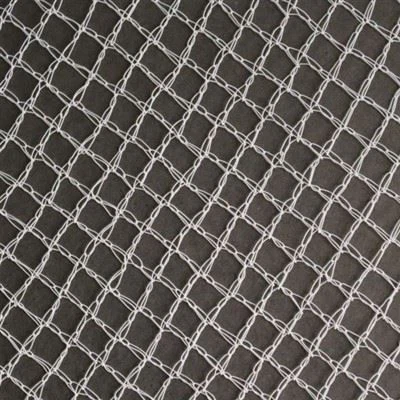
For example, if you're targeting small fish like herring or sardines, you'll need a much smaller mesh size compared to if you're going after larger fish like tuna or salmon. Small fish have slender bodies and can easily slip through larger meshes. A mesh size of around 1 - 2 inches might be suitable for these smaller species. You can check out our Encircling Monofilament Gill Net which comes in various mesh sizes and can be a great option for catching small fish.
On the other hand, larger fish require a bigger mesh. For tuna, a mesh size of 6 - 8 inches or even larger might be necessary. This allows the fish to get their gills caught while preventing them from getting completely entangled. Our Nylon Monofilament Fishing Net offers a range of mesh sizes suitable for larger fish species.
Another thing to think about is the behavior of the fish. Some fish are more active swimmers and are more likely to get caught in a net. Others are more cautious and might avoid the net altogether. For active fish, you can use a slightly larger mesh size as they are more likely to swim into it and get caught. For more cautious fish, a smaller mesh might be needed to increase the chances of capture.
The environment where you're fishing also plays a role in determining the mesh size. In areas with a lot of debris or vegetation, a larger mesh size can help prevent the net from getting clogged. However, in clear waters with fewer obstructions, you can use a smaller mesh size for more precise fishing.
Now, let's talk about how to test the mesh size. One way is to do some trial and error. Set up a small test net with different mesh sizes in the area where you plan to fish. Monitor the catch and see which mesh size is catching the target fish species most effectively. You can also consult with local fishermen or fisheries experts. They have valuable knowledge and experience about the fish species in the area and can provide insights on the appropriate mesh size.


It's also important to follow local fishing regulations. Many regions have specific rules regarding mesh sizes for different fish species. These regulations are in place to protect fish populations and ensure sustainable fishing. Make sure you're aware of these rules and comply with them.
As a gill net supplier, I offer a variety of nets with different mesh sizes to meet the needs of different fishermen. Whether you're targeting small or large fish, we have the right net for you. Our Knotless Fishing Net is a popular choice as it provides a smooth surface and is less likely to damage the fish.
If you're in the market for gill nets and need help determining the appropriate mesh size for your target fish species, don't hesitate to reach out. I'm here to assist you in making the right choice. We can discuss your specific fishing requirements and find the best solution for you. Whether you're a commercial fisherman or a recreational angler, having the right gill net with the appropriate mesh size can significantly improve your fishing success.
In conclusion, determining the appropriate mesh size for a specific fish species requires a combination of knowledge about the fish, the environment, and local regulations. By considering these factors and doing some testing, you can find the perfect mesh size for your fishing needs. And if you're looking for high - quality gill nets, I'm here to supply you with the best products on the market. Contact me for more information and let's start a successful fishing partnership.
References
- Fisheries Science Journals: Various research papers on fish behavior and gill net efficiency.
- Local Fishing Guides: Information on fish species and suitable mesh sizes in specific regions.