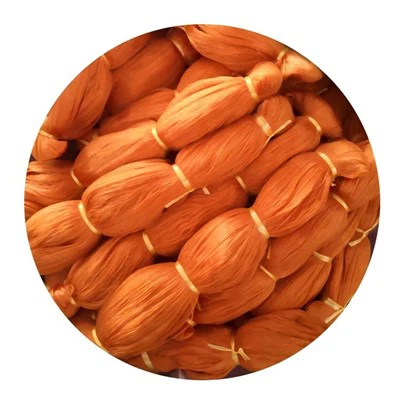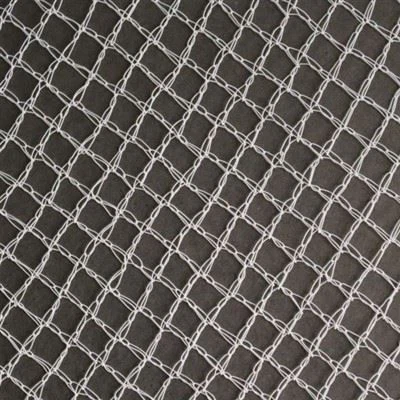

Twine for nets is a crucial component in various industries, including fishing, agriculture, and construction. As a twine for net supplier, I understand the importance of maximizing the lifespan of twine to ensure cost - effectiveness and reliable performance for our customers. In this blog, I will share some practical tips on how to increase the lifespan of twine for nets.
1. Choose the Right Type of Twine
The first step in increasing the lifespan of twine for nets is to select the appropriate type of twine for the specific application. Different materials have different properties, such as strength, abrasion resistance, and resistance to environmental factors.


For fishing nets, nylon twine is a popular choice due to its high strength, good abrasion resistance, and excellent knot - holding ability. Polyethylene twine is also commonly used in fishing, especially for nets that need to float. It is lightweight, resistant to rot and chemicals, but may have lower abrasion resistance compared to nylon.
In agricultural applications, natural fiber twines like sisal or jute can be used for some low - stress netting tasks. However, they are more prone to rot and degradation in wet conditions. Synthetic twines such as polypropylene are often preferred for their durability and resistance to moisture.
When choosing twine, consider factors such as the type of load the net will bear, the environment in which it will be used (e.g., saltwater, freshwater, sunlight exposure), and the frequency of use. By selecting the right twine from the start, you can significantly extend its lifespan.
2. Proper Storage
Proper storage of twine is essential to prevent damage and degradation. Twine should be stored in a cool, dry place away from direct sunlight and sources of heat. Sunlight can cause the twine to become brittle over time, especially for synthetic twines, while heat can accelerate the breakdown of the material.
If possible, store twine in a sealed container or a storage bag to protect it from dust, dirt, and moisture. Moisture can lead to the growth of mold and mildew, which can weaken the twine and reduce its lifespan.
When storing twine, avoid coiling it too tightly, as this can cause kinks and stress points in the twine. Instead, loosely coil the twine and store it in a way that allows it to maintain its natural shape.
3. Regular Inspection
Regular inspection of the twine in the net is crucial for detecting any signs of damage or wear early on. Check the twine for fraying, cuts, or weak spots. Frayed or cut twine is more likely to break under stress, so it should be repaired or replaced as soon as possible.
Inspect the knots in the net to ensure they are secure. Loose knots can cause the net to come apart, which can lead to a loss of the catch in fishing applications or a failure of the net in other uses.
If you notice any signs of damage during the inspection, take immediate action to address the issue. For minor damage, you can use a Net Mending Fishing Twine to repair the net. This type of twine is specifically designed for mending nets and can help restore the integrity of the net.
4. Avoid Overloading
Overloading the net can put excessive stress on the twine, leading to premature failure. Make sure the net is designed to handle the expected load and do not exceed its capacity.
In fishing, this means not overfilling the net with fish. In agricultural applications, do not use the net to support more weight than it is designed for. By avoiding overloading, you can prevent the twine from breaking or becoming damaged due to excessive stress.
5. Minimize Abrasion
Abrasion is one of the main causes of twine damage. To minimize abrasion, avoid dragging the net across rough surfaces. In fishing, be careful when pulling the net in or out of the water to prevent it from rubbing against rocks, coral, or other rough objects.
In agricultural and construction applications, make sure the net is properly installed and supported to prevent it from rubbing against sharp edges or rough surfaces. You can also use protective sleeves or guards in areas where the twine is likely to come into contact with abrasive materials.
6. Clean the Net Regularly
Regular cleaning of the net can help remove dirt, debris, and other contaminants that can cause damage to the twine. In fishing, saltwater, fish scales, and other organic matter can accumulate on the net, which can lead to corrosion and degradation of the twine over time.
For synthetic twines, a mild detergent and water can be used to clean the net. Rinse the net thoroughly after cleaning to remove all traces of the detergent. For natural fiber twines, be more careful when cleaning, as some detergents may damage the fibers.
After cleaning, allow the net to dry completely before storing it. Drying the net in a well - ventilated area away from direct sunlight is recommended.
7. Follow Proper Installation Procedures
Proper installation of the net is essential for ensuring the longevity of the twine. Make sure the net is installed according to the manufacturer's instructions. This includes using the correct type of knots and ensuring that the twine is evenly tensioned.
Uneven tension in the net can cause some parts of the twine to bear more stress than others, leading to premature failure. By following proper installation procedures, you can distribute the load evenly across the net and reduce the risk of twine damage.
8. Use Protective Coatings
In some cases, applying a protective coating to the twine can help increase its lifespan. There are various types of coatings available, such as UV - resistant coatings and anti - abrasion coatings.
UV - resistant coatings can protect the twine from the harmful effects of sunlight, while anti - abrasion coatings can reduce the wear and tear on the twine when it comes into contact with rough surfaces. However, it is important to choose a coating that is compatible with the type of twine and the application.
Conclusion
Increasing the lifespan of twine for nets is a combination of choosing the right twine, proper storage, regular inspection, and taking steps to prevent damage. By following these tips, you can ensure that your nets last longer, saving you money in the long run.
As a twine for net supplier, we are committed to providing high - quality twine that meets the needs of our customers. If you are interested in purchasing twine for your nets or have any questions about extending the lifespan of twine, please feel free to contact us for a procurement discussion. We look forward to serving you and helping you find the best twine solutions for your applications.
References
- "Handbook of Fiber Science and Technology" by Mark, H. F., Atlas, S. J., & Cernia, E.
- "Fishing Gear Technology" by Sparre, P., Venema, S. C., & Pauly, D.
- "Agricultural Engineering Handbook" edited by Smith, J. H.