
Hey there! I'm a supplier of gill nets, and today I wanna chat about how to measure the efficiency of a gill net. Gill nets are widely used in fishing, and understanding their efficiency is super important for both fishermen and us suppliers.
What is a Gill Net?
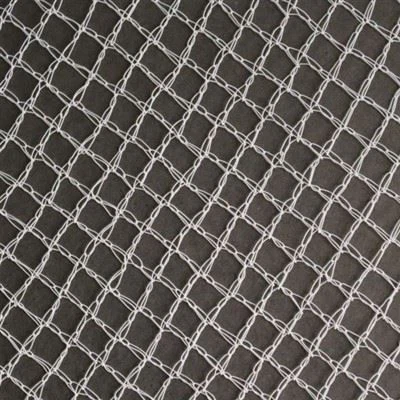
First off, let's quickly go over what a gill net is. A gill net is a vertical net that's set in the water. It catches fish by their gills when they try to swim through the net. The mesh size of the net determines which size of fish can get caught. Smaller mesh sizes catch smaller fish, while larger mesh sizes target bigger ones.
Factors Affecting Gill Net Efficiency
Mesh Size
Mesh size is a crucial factor. If the mesh is too small, it might catch unwanted small fish, leading to over - fishing of juvenile fish. On the other hand, if it's too large, the target fish might swim right through. The right mesh size depends on the species of fish you're targeting. For example, if you're going after small panfish, a smaller mesh, say around 1 - 2 inches, would be appropriate. But if you're targeting larger fish like salmon, you'd need a much bigger mesh, maybe 4 - 6 inches.

Net Material
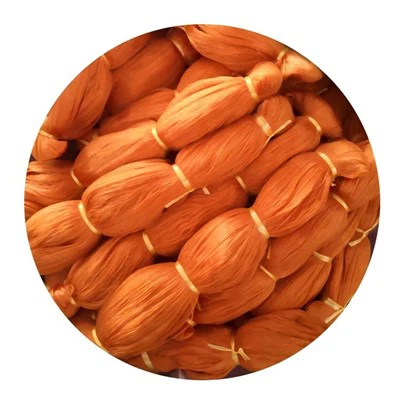
The material of the gill net also affects its efficiency. There are different types of materials available, such as nylon and polyester. Polyester fishing nets (/fishing-net/polyester-fishing-net.html) are quite popular. They're durable, resistant to rot and abrasion, and can last a long time in the water. Nylon nets, on the other hand, are more elastic, which can be an advantage in some situations as they can stretch to hold the fish better.
Net Depth
The depth at which the gill net is set matters a lot. Different fish species inhabit different depths of the water column. Some fish, like catfish, are bottom - dwellers, so setting the net close to the bottom would increase the chances of catching them. Others, like herring, swim in the middle or upper layers of the water, so the net should be adjusted accordingly.
Water Conditions
Water conditions such as temperature, current, and turbidity can impact gill net efficiency. In warmer water, fish are more active and might be more likely to swim into the net. Strong currents can make it difficult for the net to stay in place and can also carry fish away from the net. Turbid water can reduce the visibility of the net for fish, which might increase the catch rate.

Measuring Gill Net Efficiency
Catch per Unit Effort (CPUE)
One of the most common ways to measure gill net efficiency is by calculating the Catch per Unit Effort (CPUE). CPUE is calculated by dividing the total catch (usually in weight or number of fish) by the amount of effort put into fishing. The effort can be measured in terms of the number of nets used, the length of time the nets are in the water, or a combination of both.
For example, if you set 10 gill nets for 24 hours and catch 500 pounds of fish, the CPUE would be 50 pounds per net per day. By comparing CPUE values over time or between different nets, you can get an idea of how efficient the nets are.
Selectivity
Selectivity refers to the ability of the gill net to catch the target species while minimizing the catch of non - target species. To measure selectivity, you need to record the number and species of all the fish caught. Then, calculate the proportion of the target species in the total catch. A highly selective gill net will have a high proportion of the target species.
For instance, if you're targeting bass and you catch 80 bass out of a total of 100 fish, the selectivity of your gill net is 80%. Improving selectivity is important for sustainable fishing practices as it reduces the by - catch of non - target species.

Net Damage
Another aspect to consider when measuring efficiency is net damage. A damaged net is less efficient as it might allow fish to escape. Regularly inspect the net for holes, tears, or frayed edges. You can calculate the percentage of the net that's damaged. If a 100 - square - meter net has 5 square meters of damage, the damage percentage is 5%. Repairing the net promptly can help maintain its efficiency.
Other Related Nets and Their Uses
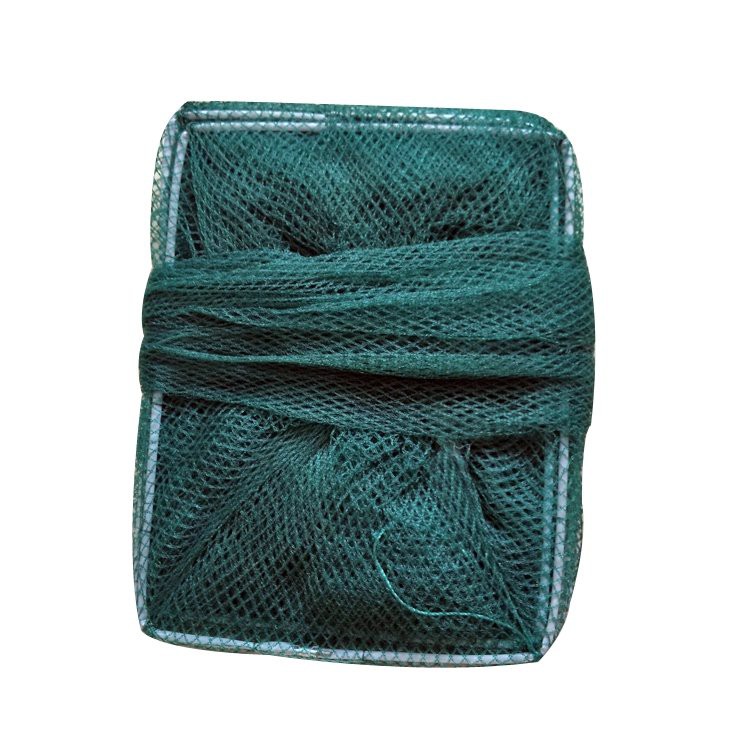
We also offer other types of nets that might be of interest to fishermen. Double Fyke Nets for Eels and Fish (/fishing-net/fyke-net.html) are great for catching eels and certain species of fish. These nets have a unique design with two funnels that guide the fish into the net. They're very effective in shallow waters and can be set in rivers, lakes, or estuaries.
Diamond Econetting Bird Netting for Buildings (/fishing-net/anti-bird-net.html) might seem out of place in a fishing discussion, but it has its own uses. While it's mainly used for keeping birds away from buildings, the netting technology can also be applied in some fishing scenarios, such as protecting fish farms from birds.
Conclusion
Measuring the efficiency of a gill net is a multi - faceted process that involves considering factors like mesh size, net material, depth, and water conditions. By using methods like calculating CPUE, selectivity, and monitoring net damage, fishermen can get a better understanding of how well their gill nets are performing.
As a gill net supplier, I'm always here to help you choose the right net for your needs. Whether you're a commercial fisherman or a hobbyist, we have a wide range of nets to suit different fishing conditions and target species. If you're interested in purchasing gill nets or any of our other products, feel free to reach out to start a procurement discussion. We're committed to providing high - quality nets that will help you have a successful fishing experience.
References
- Anderson, R. J., & Gutreuter, S. (1983). Estimating the size selectivity of gill nets. Transactions of the American Fisheries Society, 112(5), 733 - 745.
- Hamley, L. E. (1975). Gill - net selectivity: A review. Journal of the Fisheries Research Board of Canada, 32(7), 1546 - 1561.
- Sparre, P., & Venema, S. C. (1998). Introduction to tropical fish stock assessment. Part 1. Manual. FAO Fisheries Technical Paper, (306.1).