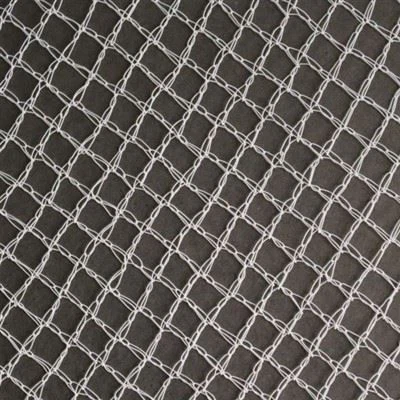

Hey there! I'm a supplier of gill nets, and I know firsthand how crucial it is to transport these nets properly. Whether you're shipping them across the country or just to the next town over, getting the transport right can save you a ton of hassle and money. In this blog post, I'll share some tips and tricks on how to transport gill nets effectively.
Understanding Gill Nets
Before we dive into the transport part, let's quickly talk about gill nets. Gill nets are a type of fishing net that work by allowing fish to swim into them and then getting caught by their gills. They come in various sizes, materials, and mesh patterns, depending on the type of fish you're targeting.
As a supplier, I offer different kinds of gill nets. For example, if you're interested in a durable option, check out our Polyester Fishing Net. It's strong and can withstand the rigors of fishing in different environments. If you're dealing with birds around your fishing area or need a net for buildings to keep birds away, our Diamond Econetting Bird Netting for Buildings is a great choice. And for those who prefer a smooth - meshed option, our Knotless Fishing Net is highly recommended.
Pre - Transport Preparation
The first step in transporting gill nets is proper preparation. You don't want to just throw the nets into a truck and hope for the best.
Cleaning the Nets
First off, clean the gill nets thoroughly. After fishing, the nets can be covered in dirt, algae, and other debris. These can not only add extra weight but also cause damage to the nets over time. Use a mild detergent and a soft brush to gently scrub the nets. Rinse them well with clean water and let them dry completely. Drying is important because wet nets can develop mold and mildew during transport, which will reduce their lifespan.
Folding and Rolling
Once the nets are dry, it's time to fold or roll them. The way you do this depends on the size and type of the net. For smaller nets, folding them neatly can save space. Make sure to fold along the natural lines of the net to avoid creating sharp creases that could weaken the mesh.
For larger nets, rolling is often a better option. Start from one end of the net and roll it tightly. You can use a rod or a pipe to help with the rolling process. Secure the rolled net with ropes or straps to keep it from unraveling during transport.
Packaging
After folding or rolling, package the gill nets properly. You can use large plastic bags or heavy - duty cardboard boxes. Plastic bags are great because they can protect the nets from dust and moisture. If you're using boxes, make sure they are sturdy enough to withstand the weight of the nets and any potential handling during transport. Label the packages clearly with information like the type of net, size, and quantity.
Choosing the Right Transport Method
Now that your gill nets are ready for transport, you need to choose the right method.


Local Transport
If you're transporting the nets locally, a pickup truck or a van can be a good option. Just make sure to secure the packages inside the vehicle to prevent them from shifting during the journey. You can use bungee cords or ropes to tie the packages down.
If you're using a trailer, ensure that it's in good condition and properly attached to the towing vehicle. Check the tires, brakes, and lights before hitting the road. Also, be aware of the weight limit of the trailer and make sure you're not overloading it.
Long - Distance Transport
For long - distance transport, shipping by truck or rail is usually the way to go. When choosing a trucking company, look for one with experience in transporting fishing equipment. They should have a good safety record and be able to provide you with insurance coverage for the shipment.
Rail transport can be a cost - effective option for large - scale shipments. However, it may take longer than truck transport. You'll need to coordinate with the rail company to arrange for loading and unloading at the appropriate stations.
International Transport
If you're shipping gill nets internationally, things get a bit more complicated. You'll need to deal with customs regulations, import/export permits, and shipping documentation. It's a good idea to work with a freight forwarder who has experience in handling fishing net shipments. They can help you navigate the complex process and ensure that your nets reach their destination safely and legally.
Safety Considerations
Safety is always a top priority when transporting gill nets.
Handling
During loading and unloading, use proper lifting techniques to avoid injury. If the nets are heavy, use lifting equipment like forklifts or pallet jacks. Make sure that all the workers involved in the handling process are trained and aware of the safety procedures.
Weather Conditions
Be aware of the weather conditions during transport. Extreme heat, cold, rain, or wind can affect the nets. If there's a chance of rain, cover the nets with waterproof tarps. In very cold weather, make sure the nets are protected from freezing, which could make the mesh brittle and more likely to break.
Insurance
Regardless of the transport method, it's important to have insurance coverage for your gill nets. Accidents can happen, and insurance can protect you from financial losses in case the nets are damaged or lost during transport.
Monitoring the Shipment
Once your gill nets are on the way, it's a good idea to monitor the shipment. If you're using a trucking company, many of them offer tracking services. You can use this information to keep an eye on the location of your shipment and estimate the arrival time.
If there are any delays or issues during the transport, stay in touch with the transport provider. They can give you updates and help you resolve any problems that may arise.
Arrival and Inspection
When the gill nets arrive at their destination, it's crucial to inspect them immediately. Check for any signs of damage, such as torn mesh, broken ropes, or water damage. If you find any issues, document them thoroughly with photos and written descriptions. Contact the transport provider and your insurance company as soon as possible to start the claims process.
Conclusion
Transporting gill nets may seem like a daunting task, but by following these steps, you can ensure that your nets arrive at their destination in good condition. Proper preparation, choosing the right transport method, and taking safety precautions are all key to a successful transport.
If you're in the market for high - quality gill nets or have any questions about their transport, feel free to reach out. I'm always here to help you with your fishing net needs. Let's start a conversation and see how we can work together to get the best gill nets to your location safely and efficiently.
References
- Fishing Net Handbook: A comprehensive guide on fishing nets and their maintenance.
- Transport Regulations for Fishing Equipment: A document that outlines the rules and regulations for transporting fishing gear.