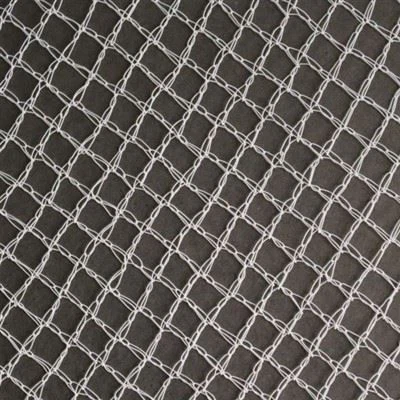

When it comes to the age - old pastime of fishing, there are numerous factors to consider, and one of the often - overlooked elements is the fishing twine. As a fishing twine supplier, I've received many inquiries about the suitability of fishing twine for night fishing. In this blog, I'll delve deep into this topic and provide you with all the information you need to make an informed decision.
Understanding Fishing Twine
Before we discuss its suitability for night fishing, let's understand what fishing twine is. Fishing twine is a strong, thin cord used in various fishing - related activities. It can be made from different materials such as nylon, polyester, and natural fibers like hemp. Each material has its own set of properties, including strength, durability, and resistance to water and abrasion.
Nylon fishing twine is popular due to its high tensile strength and excellent knot - holding ability. It is also resistant to rot and mildew, making it a great choice for long - term use in water. Polyester twine, on the other hand, is known for its low stretch and high abrasion resistance. Natural fiber twines, although less common today, offer a more traditional feel and are biodegradable.
The Unique Requirements of Night Fishing
Night fishing is a different ballgame compared to daytime fishing. The reduced visibility poses a significant challenge, and fishermen need equipment that can perform well in low - light conditions. The key requirements for night fishing gear include high visibility, durability, and the ability to withstand the elements.
Visibility is crucial because it allows fishermen to detect bites and handle their lines effectively. Durability is also important as night fishing often involves fishing in more secluded or rough areas where the twine may come into contact with rocks, branches, or other sharp objects. Additionally, the twine needs to be resistant to moisture and low temperatures, which are common during night - time fishing.
Advantages of Using Fishing Twine for Night Fishing
Visibility
Some fishing twines are designed with high - visibility features. For example, there are fluorescent or glow - in - the - dark twines available in the market. These twines can be easily seen in the dark, making it easier for fishermen to monitor their lines. When a fish bites, the movement of the highly visible twine is more noticeable, increasing the chances of a successful catch.
Strength and Durability
As mentioned earlier, fishing twine is made from strong materials. Nylon and polyester twines, in particular, can withstand the stress of pulling in large fish, even in challenging night - time conditions. They are also resistant to abrasion, which means they are less likely to break when they come into contact with rough surfaces in the water.
Versatility
Fishing twine is versatile and can be used for various night - fishing techniques. It can be used for tying hooks, attaching weights, or even mending fishing nets. Net Mending Fishing Twine is a great option for those who need to repair their nets during a night - fishing trip. With a good quality twine, you can quickly fix any holes or tears in your net, ensuring that you can continue fishing without interruption.
Disadvantages of Using Fishing Twine for Night Fishing
Tangling
One of the main disadvantages of using fishing twine for night fishing is the potential for tangling. In low - light conditions, it can be difficult to see and untangle the twine. If the twine gets tangled, it can waste valuable fishing time and may even cause you to lose your catch. To minimize tangling, it's important to use a well - organized fishing setup and to handle the twine carefully.
Limited Sensitivity
Compared to some specialized fishing lines, fishing twine may have limited sensitivity. This means that it may be more difficult to detect subtle bites, especially from smaller fish. However, with experience and the right fishing techniques, fishermen can still use fishing twine effectively for night fishing.
Choosing the Right Fishing Twine for Night Fishing
Material
As discussed, nylon and polyester are great choices for night fishing due to their strength and durability. If visibility is a major concern, look for twines that are fluorescent or have a glow - in - the - dark feature.
Thickness
The thickness of the twine also matters. Thicker twines are generally stronger but may be less sensitive. Thinner twines, on the other hand, are more sensitive but may not be as strong. It's important to find a balance based on the type of fish you're targeting and the fishing conditions.
Color
In addition to fluorescent or glow - in - the - dark twines, you can also choose twines in colors that contrast well with the water and the background. For example, a bright yellow or orange twine may be more visible in a dark lake or ocean at night.
Tips for Using Fishing Twine Effectively at Night
Organize Your Gear
Before you head out for a night - fishing trip, make sure your fishing gear is well - organized. Use tackle boxes or organizers to keep your twine, hooks, and other accessories in order. This will reduce the chances of tangling and make it easier to handle your equipment in the dark.


Check the Twine Regularly
Inspect your fishing twine regularly for any signs of wear or damage. If you notice any fraying or weak spots, replace the twine immediately to avoid losing your catch.
Use Proper Knots
Using the right knots is essential when using fishing twine. Make sure you know how to tie strong and reliable knots, such as the improved clinch knot or the Palomar knot. A good knot will ensure that your twine stays secure and that you can effectively land your fish.
Conclusion
In conclusion, fishing twine can be a suitable option for night fishing, provided that you choose the right type and use it correctly. Its high - visibility features, strength, and versatility make it a viable choice for many night - time fishermen. However, it's important to be aware of its limitations, such as the potential for tangling and limited sensitivity.
If you're interested in purchasing high - quality fishing twine for your night - fishing adventures, feel free to reach out to us. We offer a wide range of fishing twines made from different materials and with various features to meet your specific needs. Contact us to start a procurement discussion and take your night - fishing experience to the next level.
References
- "Fishing Knots: The Complete Guide" by John Smith
- "Advanced Fishing Techniques" by Sarah Johnson
- Industry reports on fishing equipment trends and materials