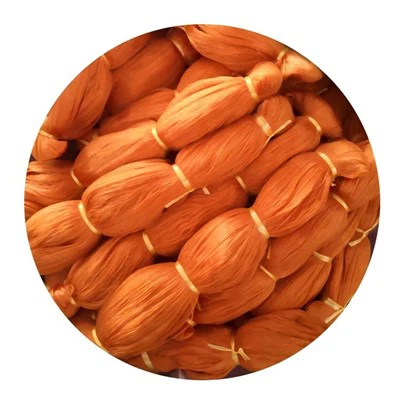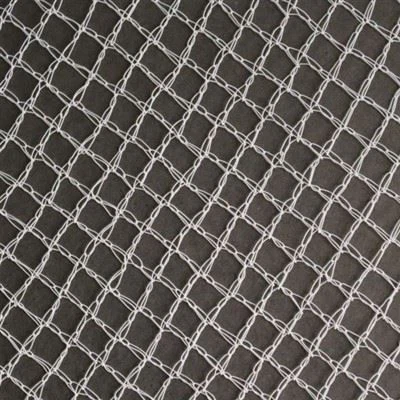

Hey there, fellow fishing enthusiasts! I'm a supplier of Knotless Fishing Net, and I'm stoked to dive into the different types of knotless fishing nets with you. Whether you're a seasoned pro or just starting out in the world of fishing, understanding the various types of nets can make a huge difference in your fishing experience. So, let's get started!
Monofilament Knotless Fishing Nets
Monofilament knotless fishing nets are one of the most popular types out there. These nets are made from a single strand of synthetic material, usually nylon. The monofilament design gives the net a smooth and flexible texture, which is great for catching fish without causing them too much damage.
One of the biggest advantages of monofilament knotless fishing nets is their invisibility in the water. Since the monofilament material is clear, it's less likely to spook the fish, allowing you to get a better catch. They're also relatively easy to handle and maintain, making them a great choice for beginners.
These nets come in a variety of mesh sizes, so you can choose the one that's best suited for the type of fish you're targeting. For smaller fish, a finer mesh size will work well, while larger fish require a bigger mesh. Monofilament knotless fishing nets are commonly used in both freshwater and saltwater fishing.
Multifilament Knotless Fishing Nets
Multifilament knotless fishing nets are another option that you might want to consider. Unlike monofilament nets, multifilament nets are made up of multiple strands of synthetic fibers twisted together. This gives the net more strength and durability.
The multifilament construction makes these nets more resistant to abrasion, which means they can withstand the rough conditions of the water and the constant rubbing against rocks and other objects. They're also less likely to break when you're pulling in a big catch.
However, multifilament knotless fishing nets are more visible in the water compared to monofilament nets. This can be a drawback if you're trying to catch fish that are easily spooked. But if you're fishing in areas where the fish are less wary, or if you're targeting larger, more aggressive fish, multifilament nets can be a great choice.
Braided Knotless Fishing Nets
Braided knotless fishing nets are known for their exceptional strength. These nets are made by braiding multiple strands of synthetic or natural fibers together. The braiding process creates a net that's very strong and can handle heavy loads.
One of the key benefits of braided knotless fishing nets is their high tensile strength. This means they can hold up well under pressure, even when you're dealing with large and powerful fish. Braided nets are also very flexible, which allows them to conform to the shape of the fish, making it easier to catch them.
However, braided nets can be a bit more expensive than other types of knotless fishing nets. They also require a bit more care and maintenance to keep them in good condition. But if you're serious about fishing and need a net that can handle the toughest catches, braided knotless fishing nets are definitely worth the investment.
Knitted Knotless Fishing Nets
Knitted knotless fishing nets are created using a knitting process. This results in a net with a unique texture and structure. Knitted nets are often very lightweight and flexible, which makes them easy to handle.
These nets are great for fishing in areas where you need to be able to move quickly and easily. They're also less likely to get tangled compared to some other types of nets. Knitted knotless fishing nets are commonly used in small-scale fishing operations, such as in ponds or small lakes.
The knitting process allows for a high degree of customization, so you can get a net with the exact mesh size and shape that you need. However, knitted nets may not be as strong as some of the other types, so they're best suited for catching smaller fish.


Specialized Knotless Fishing Nets
In addition to the general types of knotless fishing nets, there are also some specialized nets that are designed for specific purposes. For example, Double Fyke Nets for Eels and Fish are used for catching eels and other fish in shallow waters. These nets have a unique design that allows the fish to swim in but makes it difficult for them to swim out.
Another specialized net is the Diamond Econetting Bird Netting for Buildings. While this may not be a traditional fishing net, it's still a type of knotless net that's used in a different context. This net is used to keep birds away from buildings, protecting them from damage and mess.
Choosing the Right Knotless Fishing Net
When it comes to choosing the right knotless fishing net, there are a few factors that you need to consider. First of all, think about the type of fish you're going to be targeting. Different fish have different sizes and behaviors, so you'll need a net that's appropriate for them.
The fishing environment is also important. If you're fishing in freshwater or saltwater, in a lake, river, or ocean, the conditions can vary greatly. You'll need a net that can withstand the specific conditions of your fishing location.
Your budget is another consideration. Some types of knotless fishing nets are more expensive than others, so you'll need to find a net that fits within your price range.
Finally, think about your level of experience. If you're a beginner, you might want to start with a simpler and more affordable net, while more experienced fishermen may be willing to invest in a higher-quality, more specialized net.
Why Choose Our Knotless Fishing Nets
As a supplier of knotless fishing nets, I can tell you that our nets are top-notch. We offer a wide range of knotless fishing nets, including monofilament, multifilament, braided, and knitted nets. Our nets are made from high-quality materials and are designed to last.
We understand that every fisherman has different needs, so we provide customized solutions. Whether you need a specific mesh size, net shape, or color, we can work with you to create the perfect net for your fishing needs.
Our prices are competitive, and we offer excellent customer service. We're always here to answer your questions and help you choose the right net. So, if you're in the market for a knotless fishing net, give us a try.
Contact Us for Purchasing
If you're interested in purchasing our knotless fishing nets, we'd love to hear from you. Whether you have questions about our products, need help choosing the right net, or are ready to place an order, feel free to reach out. We're here to make your fishing experience better with our high-quality knotless fishing nets.
References
- Fisheries and Aquaculture Department of the Food and Agriculture Organization of the United Nations. (Various publications on fishing gear and net types).
- Fishing industry trade magazines and journals that cover the latest trends and technologies in fishing nets.