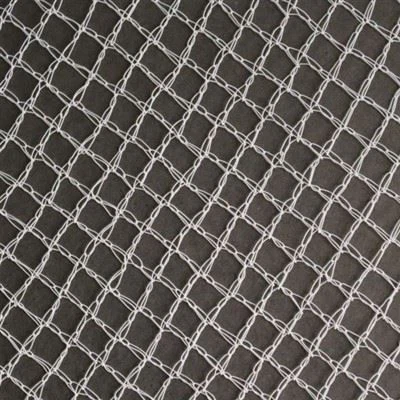

Gill nets are a type of fishing gear that have been used for centuries in various parts of the world. As a supplier of high - quality gill nets, I have witnessed firsthand their widespread use and the complex economic implications associated with them. In this blog, I will explore the economic aspects of using gill nets from multiple perspectives, including the benefits and the challenges.
Economic Benefits of Using Gill Nets
1. Cost - effectiveness
One of the most significant economic advantages of gill nets is their relatively low cost compared to other fishing gear. For small - scale fishermen, especially those operating in developing countries or remote areas, gill nets are an accessible option. They require less capital investment in terms of equipment and maintenance. Unlike large fishing vessels with sophisticated fishing gear, gill nets can be set up with minimal resources. A simple set of gill nets can be made from basic materials such as monofilament or multifilament nylon, which are relatively inexpensive. This low - cost nature allows more fishermen to enter the fishing industry, increasing the overall fishing capacity and potentially boosting the local economy.
The Encircling Monofilament Gill Net we supply is a prime example of cost - effective fishing gear. It is made from high - quality monofilament that is durable yet affordable. Fishermen can purchase these nets in bulk at a reasonable price, reducing their per - unit cost and increasing their profit margins.
2. High catch efficiency
Gill nets are known for their high catch efficiency. They work by entangling fish as they swim through the mesh, allowing fishermen to catch a relatively large number of fish in a single setting. This efficiency is particularly beneficial for commercial fishermen who rely on high - volume catches to make a living. By using gill nets, they can target specific fish species and size ranges, which can be sold at different market prices.
For instance, in areas where there is a high demand for a particular type of fish, fishermen can use gill nets to specifically target those species. This targeted fishing approach can lead to a more stable income for fishermen as they can meet the market demand and get better prices for their catches. The high catch efficiency also means that fishermen can spend less time on the water, reducing their fuel costs and other operational expenses.
3. Job creation
The gill net industry creates jobs at various stages of the supply chain. From the manufacturing of gill nets to their distribution, sales, and maintenance, there are numerous employment opportunities. In the manufacturing process, workers are involved in tasks such as net weaving, knotting, and quality control. Distributors and salespeople are responsible for getting the nets to the end - users, while maintenance technicians ensure that the nets are in good working condition.
In addition, the fishing activities that rely on gill nets also create jobs. Fishermen, deckhands, and fish processors all depend on the use of gill nets for their livelihoods. This job creation has a positive impact on the local economy, especially in coastal communities where fishing is a major industry.
Economic Challenges Associated with Gill Nets
1. Bycatch and its economic impact
One of the major economic challenges of using gill nets is the issue of bycatch. Bycatch refers to the unintentional capture of non - target species, including endangered or protected species, juvenile fish, and other marine organisms. Bycatch can have significant economic consequences. Firstly, the capture of non - target species can reduce the overall value of the catch. Fishermen may have to discard a large portion of their catch, which is a waste of resources and a loss of potential income.
Secondly, the capture of endangered or protected species can lead to legal consequences. Fishermen may face fines, license suspensions, or even imprisonment if they are found to be in violation of fishing regulations. These legal penalties can have a severe impact on their economic well - being, as they may lose their source of income and have to pay significant fines.
To mitigate the issue of bycatch, fishermen can use modified gill nets such as the Double Fyke Nets for Eels and Fish. These nets are designed to reduce the capture of non - target species while still allowing for the efficient capture of the target species.
2. Environmental degradation and long - term economic costs
The use of gill nets can also contribute to environmental degradation, which can have long - term economic costs. Overfishing caused by the widespread use of gill nets can lead to a decline in fish populations. As fish stocks decrease, fishermen may have to travel further and spend more time on the water to catch the same amount of fish. This increases their operational costs and reduces their profit margins.
In addition, gill nets that are lost or abandoned in the ocean can become "ghost nets." These ghost nets continue to catch fish and other marine organisms, causing further damage to the marine ecosystem. The long - term environmental degradation can also affect other industries that depend on a healthy marine environment, such as tourism. A decline in the quality of the marine environment can lead to a decrease in tourist arrivals, which can have a negative impact on the local economy.
3. Market competition and price volatility
The gill net industry is highly competitive, and fishermen often face price volatility in the market. The price of fish can fluctuate depending on various factors such as supply and demand, seasonality, and global market trends. When there is an oversupply of fish in the market, the price can drop significantly, reducing the income of fishermen.
Moreover, the increasing competition from other fishing methods and fishing gear can also put pressure on the gill net industry. Fishermen may have to lower their prices to remain competitive, which can further squeeze their profit margins. To stay ahead in the market, fishermen need to be aware of the market trends and adapt their fishing strategies accordingly.
Strategies to Maximize the Economic Benefits and Minimize the Challenges
1. Sustainable fishing practices
To address the economic challenges associated with gill nets, fishermen should adopt sustainable fishing practices. This includes using selective gill nets that reduce bycatch, following fishing regulations, and implementing catch limits. By adopting sustainable practices, fishermen can ensure the long - term viability of fish stocks, which is essential for their economic well - being.
For example, the Knotted Fishing Net is designed with a specific knotting pattern that reduces the capture of non - target species. Fishermen can use these nets to target specific fish species while minimizing the impact on the marine ecosystem.
2. Diversification
Fishermen can also diversify their income sources to reduce their dependence on gill net fishing. They can engage in other activities such as fish farming, ecotourism, or value - added fish processing. By diversifying their income, they can reduce their exposure to market fluctuations and other economic risks associated with gill net fishing.


3. Market research and product differentiation
To compete in the market, fishermen and gill net suppliers need to conduct market research to understand the changing consumer preferences and market trends. They can then differentiate their products based on quality, sustainability, and other factors. For example, suppliers can market their gill nets as environmentally friendly or made from recycled materials, which can attract environmentally conscious consumers and command a higher price in the market.
Conclusion
The economic implications of using gill nets are complex, with both benefits and challenges. On one hand, gill nets offer cost - effectiveness, high catch efficiency, and job creation. On the other hand, they are associated with issues such as bycatch, environmental degradation, and market competition. As a gill net supplier, I believe that by adopting sustainable fishing practices, diversifying income sources, and conducting market research, fishermen can maximize the economic benefits of using gill nets while minimizing the associated challenges.
If you are a fisherman looking for high - quality, cost - effective gill nets, or if you are interested in learning more about our products, please feel free to contact us for procurement and further discussions. We are committed to providing the best fishing gear solutions to meet your needs and help you achieve economic success in the fishing industry.
References
- Hilborn, Ray, et al. "Best practices for sustainable marine fisheries." Nature 524.7563 (2015): 403 - 410.
- Kelleher, Kieran. "Review of the management of fisheries by - catch." FAO Fisheries Technical Paper, No. 470. Rome: FAO, 2005.
- Pauly, Daniel, and Reg Watson. "The future for fisheries." Science 297.5582 (2002): 1907 - 1910.