
Hey there, fellow fishing enthusiasts! As a supplier of fishing twine, I often get asked about the stiffness of fishing twine. So, I thought I'd take a few minutes to break it down for you and explain what stiffness really means in the context of fishing twine.
First things first, let's talk about what fishing twine is. Fishing twine is a type of cord or string that's used in fishing for a variety of purposes. It can be used to tie hooks, attach floats, mend fishing nets, and more. There are different types of fishing twine available, made from various materials like nylon, polyester, and polyethylene. Each material has its own characteristics, and one of those is stiffness.
So, what exactly is the stiffness of fishing twine? Stiffness refers to how resistant the twine is to bending or flexing. A stiffer twine will hold its shape better and won't bend as easily compared to a more flexible twine. Think of it like a ruler and a piece of string. The ruler is very stiff and doesn't bend easily, while the string is flexible and can be bent and twisted in all sorts of ways.
The stiffness of fishing twine can have a big impact on how it performs in different fishing situations. For example, if you're using the twine to tie hooks, a stiffer twine can be an advantage. It will make it easier to thread the twine through the eye of the hook and keep the knot in place. On the other hand, if you're using the twine to attach a float, a more flexible twine might be better. It will allow the float to move more freely in the water and not restrict its movement.
Another important factor to consider is the type of fishing you're doing. If you're fishing in a calm lake or pond, a stiffer twine might be just fine. But if you're fishing in rough ocean waters or strong currents, a more flexible twine could be a better choice. The flexibility will help the twine withstand the forces of the water and not break or snap easily.
Now, let's talk about how the stiffness of fishing twine is related to the material it's made from. Nylon fishing twine is known for being relatively stiff. It has good strength and holds its shape well, which makes it great for applications where you need a twine that can maintain its form. Polyester twine is also fairly stiff, but it's often more resistant to abrasion than nylon. This makes it a good choice for situations where the twine might rub against rocks or other rough surfaces.
Polyethylene twine, on the other hand, is generally more flexible. It's lightweight and has good buoyancy, which makes it ideal for use in applications where you need the twine to float or move easily in the water. However, it might not be as stiff as nylon or polyester twine, so it might not be the best choice for tasks that require a lot of structure.
As a fishing twine supplier, I know that choosing the right twine with the appropriate stiffness is crucial for a successful fishing experience. That's why we offer a wide range of fishing twines to meet different needs. Whether you need a stiff twine for tying hooks or a flexible twine for attaching floats, we've got you covered.
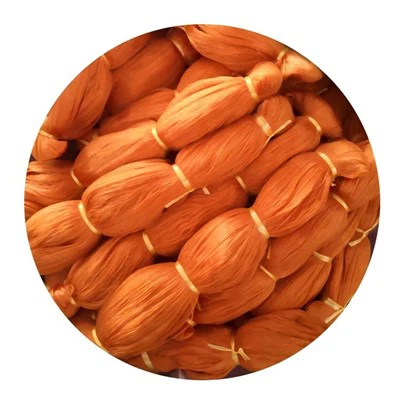
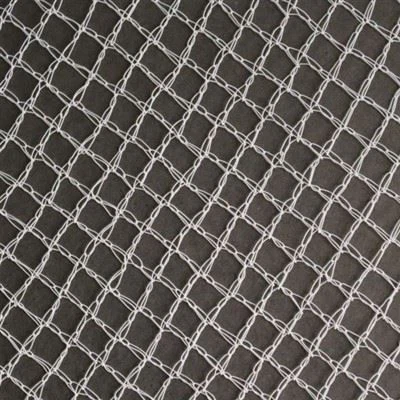
One of our popular products is the Net Mending Fishing Twine. This twine is designed specifically for mending fishing nets. It has a good balance of stiffness and flexibility, which makes it easy to work with when repairing nets. The stiffness helps it hold its shape while you're tying knots, and the flexibility allows it to conform to the mesh of the net.


When it comes to choosing the right stiffness of fishing twine, there are a few things you can do. First, think about the specific task you'll be using the twine for. As I mentioned earlier, different tasks require different levels of stiffness. Second, consider the fishing environment. If you're fishing in a challenging environment, you might need a twine that can withstand the conditions.
You can also test the twine before you buy it. If possible, get a small sample and try bending it and tying some knots. This will give you a good idea of how stiff or flexible the twine is and whether it will work for your needs.
In addition to stiffness, there are other factors to consider when choosing fishing twine, such as strength, durability, and abrasion resistance. These factors all work together to determine the overall performance of the twine.
As a fishing twine supplier, we're always here to help you make the right choice. If you have any questions about the stiffness of our fishing twines or need advice on which twine is best for your fishing needs, don't hesitate to reach out. We're happy to share our knowledge and experience with you.
Whether you're a professional fisherman or just someone who enjoys fishing as a hobby, having the right fishing twine can make a big difference in your fishing success. So, take the time to choose the twine with the right stiffness and other properties that suit your needs.
If you're interested in purchasing our fishing twines, we'd love to have a chat with you. Just get in touch with us, and we can discuss your requirements in detail. We can also provide you with more information about our products and help you find the perfect fishing twine for your next fishing adventure.
In conclusion, the stiffness of fishing twine is an important characteristic that can affect its performance in different fishing situations. By understanding what stiffness is and how it relates to the material and the task at hand, you can make an informed decision when choosing fishing twine. And remember, we're here to support you every step of the way.
References
- Fishing Twine Handbook - Industry Publication
- Fishing Equipment and Materials Research Reports