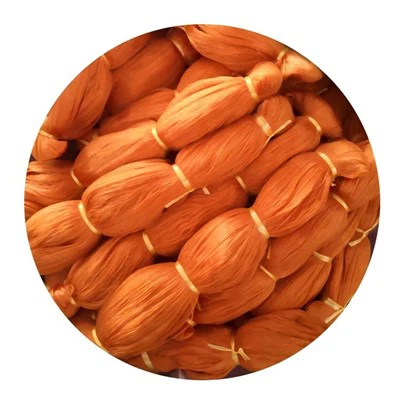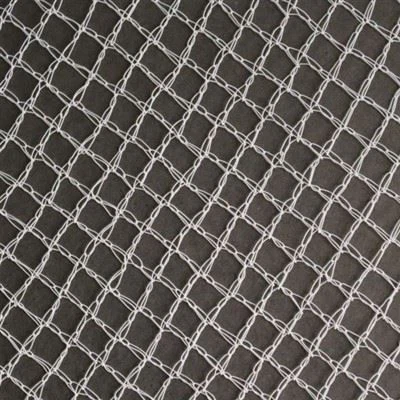

What's up, fellow fishing enthusiasts! I'm a supplier of Nylon Monofilament Fishing Nets, and today we're gonna dig deep into a super important topic: the thickness of nylon monofilament fishing nets.


First off, let's talk about why the thickness of these nets matters so much. When you're out on the water, whether you're a commercial fisherman looking to make a living or just an amateur angler enjoying a weekend by the lake, the performance of your fishing net is crucial. And the thickness of the nylon monofilament plays a huge role in that performance.
A thinner nylon monofilament net has its advantages. It's more flexible and less visible in the water. Fish are less likely to spot it, which can increase your chances of a successful catch. Imagine you're trying to catch those sneaky little trout in a clear mountain stream. A thin net can blend in with the water, making it easier to surprise the fish. But there's a trade - off. Thinner nets are generally less strong. They're more prone to breakage, especially when you're dealing with larger or more powerful fish.
On the other hand, a thicker nylon monofilament net is much stronger. It can withstand the struggles of big fish without tearing easily. If you're going after large species like tuna or salmon, a thick net is your best bet. However, thicker nets are also more visible in the water, and they're less flexible. This can make it a bit more challenging to handle, especially in tight spaces or when you need to make quick adjustments.
So, how do you decide on the right thickness for your fishing net? Well, it all depends on what you're fishing for and where you're fishing. For small - scale freshwater fishing, like catching bluegills or catfish in a pond, a thinner net with a diameter of around 0.1 - 0.3 mm might be sufficient. These nets are lightweight and easy to manage, and they won't scare away the smaller fish.
If you're into saltwater fishing, especially in the open ocean where you might encounter larger and more aggressive fish, you'll probably want a thicker net. A net with a thickness of 0.5 - 1.0 mm or even more can handle the rough conditions and the powerful pulls of big fish.
Now, let's take a look at some of the different types of fishing nets we offer. We have the Encircling Monofilament Gill Net. This type of net is designed to encircle the fish and trap them by their gills. The thickness of the monofilament used in these nets can vary depending on the target species. For smaller fish, a thinner monofilament might be used to increase the net's invisibility, while for larger fish, a thicker monofilament is necessary for strength.
Another option is our Polyester Fishing Net. Polyester is a different material from nylon, but it also has its own advantages. Polyester nets are often more resistant to abrasion and sunlight, which can be great for long - term use in harsh environments. The thickness of polyester nets can also be adjusted according to your fishing needs.
We also have the Knotless Fishing Net. Knotless nets are smoother and less likely to damage the fish. They're also easier to clean and maintain. The thickness of the monofilament in knotless nets can be chosen based on the same factors as other types of nets - the size of the fish you're targeting and the fishing conditions.
When it comes to manufacturing nylon monofilament fishing nets, we use high - quality materials and advanced production techniques. We ensure that the thickness of each net is consistent throughout, so you can rely on its performance. Our quality control team checks every net to make sure it meets our strict standards.
In addition to the target species and fishing conditions, there are other factors that can influence the choice of net thickness. The depth of the water is one of them. In deeper waters, the pressure is higher, and a thicker net might be needed to withstand the pressure. Also, the type of fishing gear you're using can matter. If you're using a net with a large float or sinker system, a thicker net can better handle the additional weight and stress.
It's also important to consider the durability of the net. A thicker net generally lasts longer, but it also costs more. You need to balance your budget with your fishing requirements. If you're only going fishing occasionally, a thinner and more affordable net might be a good choice. But if you're a professional fisherman who relies on your net for your livelihood, investing in a thicker and more durable net is probably worth it.
We understand that every fisherman has different needs, and that's why we offer a wide range of nylon monofilament fishing nets with different thicknesses. Whether you're a beginner just starting out or an experienced pro, we have the right net for you.
If you're interested in our nylon monofilament fishing nets, don't hesitate to get in touch. We're always happy to discuss your specific requirements and help you choose the perfect net for your fishing adventures. Whether you need advice on the right thickness or want to place an order, we're here to assist you.
So, what are you waiting for? Let's get you the best fishing net for your needs and make your next fishing trip a success!
References
- "Fishing Net Technology and Materials" - A comprehensive guide on fishing net materials and manufacturing.
- "The Science of Fishing Nets" - A research paper on the performance of different types of fishing nets.