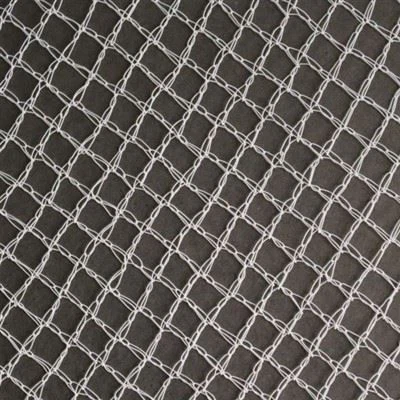

Yo, fellow fishing enthusiasts! As a supplier of Fyke Nets, I've been getting a bunch of questions about using these nets for ice fishing. Ice fishing is a whole different ballgame compared to regular open - water fishing, and if you want to use a Fyke Net effectively in icy conditions, there are some key modifications you need to make.
First off, let's talk about the material. The standard Fyke Nets we usually supply are great for normal fishing scenarios. But when it comes to ice fishing, the cold can really take a toll on the net material. You might want to consider switching to more cold - resistant materials. For instance, the Encircling Monofilament Gill Net is a solid option. Monofilament is known for its strength and flexibility, and it can withstand the frigid temperatures better than some other materials. It doesn't get brittle as easily, which is crucial when you're dealing with ice and frozen water.
Another option is the Polyester Fishing Net. Polyester is also quite durable in cold weather. It has good abrasion resistance, which is important because when you're pulling the net through ice holes or over rough ice surfaces, it can get scratched and worn. A polyester Fyke Net can handle this kind of abuse without falling apart.
Now, the size of the Fyke Net is another aspect that needs adjustment. In ice fishing, you're working in a more confined space compared to open water. You're limited by the size of the ice holes you drill. So, you'll likely need to downsize your Fyke Net. A smaller net is easier to maneuver through the ice holes and set up under the ice. You don't want a net that's so big that it becomes a hassle to handle or that it can't fit properly in the area you're fishing.


When it comes to the mesh size, it's a bit of a balancing act. You want to make sure the mesh is small enough to catch the fish you're targeting, but not so small that it gets clogged with ice and snow. A Knotless Fishing Net can be a great choice here. The knotless design not only makes the net more flexible but also reduces the chances of ice and debris getting stuck in the knots. This helps to keep the net functioning properly during your ice - fishing trip.
Let's also talk about the frame of the Fyke Net. In open water, the net can rely on the water's movement to keep its shape. But in ice fishing, things are different. You need a sturdier frame to support the net under the ice. You can add some extra bracing or use a more rigid material for the frame. For example, using metal rods instead of the standard plastic or lightweight materials can give the net more stability. This is especially important when you're dealing with currents under the ice, which can still be present and might try to push the net out of shape.
Visibility is another factor. In ice fishing, the light conditions are different. The ice can block a lot of the natural light, making it harder for fish to see the net. You might want to add some reflective elements to the net. These can be small reflective strips or beads. The reflective parts will catch what little light there is under the ice and make the net more visible to the fish. This can increase your chances of getting a good catch.
Now, setting up the Fyke Net in ice fishing is also a bit tricky. You need to drill the right number and size of ice holes. Usually, you'll need at least two holes: one for inserting the net and another for pulling it out. The holes should be big enough to accommodate the net and any equipment you're using to handle it. Once you've drilled the holes, you need to carefully lower the net through one hole and guide it under the ice to the other hole. This requires some patience and skill, but with the right modifications to the net, it becomes a lot easier.
When it comes to baiting the Fyke Net, you need to think about the cold - water behavior of the fish. In cold water, fish are less active, so you need to use bait that has a strong scent. Live bait like minnows or worms can be great, but you need to make sure they stay alive in the cold water. You might need to use a special bait container or keep the bait in a warmer part of your fishing setup until you're ready to put it in the net.
Monitoring the Fyke Net is also crucial. Since you're fishing under ice, it's not as easy to just peek in and see if you've caught anything. You can set up a simple alarm system. For example, you can attach a small bell or a light - weight rattle to the net. When a fish gets caught in the net, it will move the net and trigger the alarm. This way, you don't have to constantly check the net and can focus on other aspects of your ice - fishing experience.
After your ice - fishing trip, proper storage of the Fyke Net is essential. You need to make sure the net is completely dry before storing it. Any moisture left in the net can freeze and damage it over time. You can hang the net up to dry in a warm, well - ventilated area. Once it's dry, you can fold it up carefully and store it in a cool, dry place until your next fishing adventure.
So, there you have it, all the modifications you need to use a Fyke Net in ice fishing. If you're interested in getting a Fyke Net that's specifically modified for ice fishing or have any questions about our products, feel free to reach out. We're always here to help you have a successful and enjoyable fishing experience. Whether you're a seasoned ice - fisher or just starting out, we've got the right Fyke Net solutions for you. Let's get you ready for your next ice - fishing trip!
References:
- Fishing Techniques Handbook for Cold - Water Conditions
- Ice Fishing Best Practices Manual